
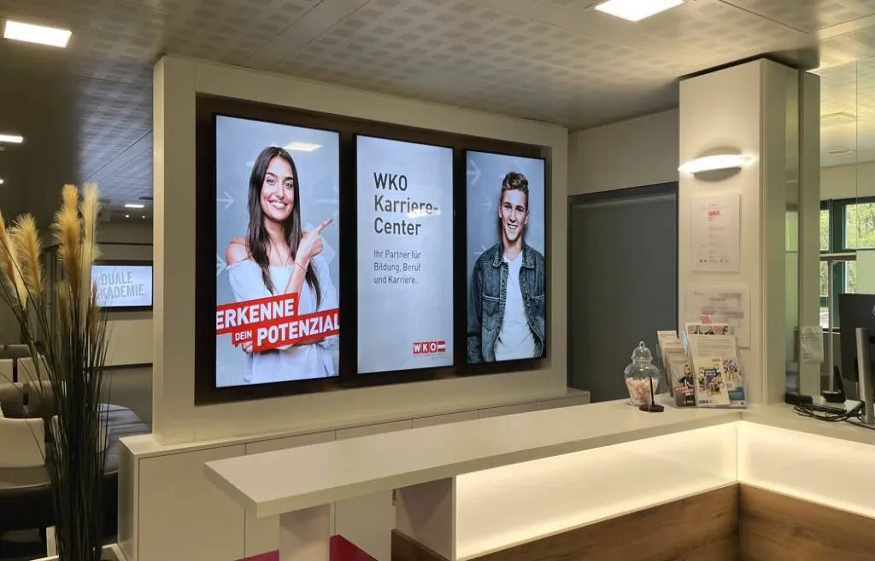
The Advantages of Digital Signage for Targeted Advertising
Digital signage has emerged as a powerful tool in the realm of advertising, offering unprecedented opportunities for businesses to deliver targeted and dynamic advertisements. Unlike traditional advertising mediums, digital signage combines the benefits of modern technology with creative marketing strategies, enabling advertisers to reach their audience with precision and impact. Here are some key reasons why digital signage is revolutionising targeted advertising.
Real-Time Updates and Flexibility
One of the foremost advantages of digital signage is its ability to update content in real-time. This flexibility allows advertisers to modify their messages instantaneously to reflect new promotions, time-sensitive offers, or relevant news. For instance, a retail store can swiftly switch its adverts from morning coffee deals to afternoon snack promotions, tailoring its content to the time of day and the likely needs of its customers. This agility ensures that advertisements remain current and engaging, maximising their effectiveness.
Moreover, the real-time updating capability of digital signage is particularly beneficial during events or seasonal campaigns. Businesses can promptly adjust their advertisements to promote special events, flash sales, or holiday-themed products. This responsiveness helps capture the attention of potential customers precisely when they are most likely to make purchasing decisions. Additionally, in cases of unforeseen circumstances or emergencies, digital signage can quickly disseminateimportant information, ensuring that the communication remains relevant and timely. This level of flexibility and immediacy makes digital signage an invaluable tool for modern advertisers looking to maintain a competitive edge.
Enhanced Customer Engagement
Digital signage offers interactive elements that can significantly enhance customer engagement. Touchscreen displays, QR codes, and mobile integrations encourage customers to interact with the advertisements, transforming passive viewers into active participants. This interaction not only increases the time customers spend engaging with the advert but also provides valuable data on customer preferences and behaviours. For example, a clothing retailer might use interactive screens to allow customers to browse through different outfits and find items that match their style, creating a personalised shopping experience that traditional static ads cannot provide.
Read More: A Complete Guide to Installing Concrete Noise Barrier Fences for Your Property
Furthermore, these interactive elements can extend beyond just browsing products. Retailers can incorporate features such as virtual fitting rooms, where customers can see how clothes might look on them without trying them on physically. Gamified elements, like digital scratch cards or interactive quizzes, can also be used to capture attention and make the shopping experience more enjoyable. This level of engagement not only fosters a deeper connection between the customer and the brand but also encourages repeat visits and boosts overall customer loyalty. By providing a richer, more engaging experience, digital signage transforms the way customers interact with advertisements, making them more likely to respond positively and make a purchase.
Precision Targeting
Digital signage enables precision targeting through data integration and analytics. By using demographic data, location-based information, and even behavioural insights, businesses can tailor their advertisements to specific segments of their audience. In a shopping mall, digital signage can display different adverts depending on the time of day, foot traffic patterns, or the demographic profile of shoppers in the vicinity. This targeted approach ensures that the right message reaches the right audience at the right time, significantly enhancing the potential for conversion.
Moreover, digital signage can be programmed to adapt to seasonal trends and specific local events, making advertisements even more relevant. For instance, during a sports event nearby, stores can display ads for sports gear or themed promotions. By integrating with customer loyalty programs, digital signage can offer personalised promotions to returning customers, enhancing their shopping experience and increasing the likelihood of repeat business. The ability to tailor content so precisely not only drives higher engagement but also builds stronger relationships with customers, as they feel more understood and valued by the business.
Cost-Effectiveness and Sustainability
While the initial investment in digital signage might be higher than traditional advertising methods, it offers considerable cost savings over time. The ability to update content digitally means that businesses do not incur recurring printing costs and can deploy multiple campaigns without the need for physical materials. Additionally, digital signage aligns with sustainability goals by reducing the waste associated with printed advertisements, making it an environmentally friendly option.
Beyond the savings on printing costs, digital signage reduces the logistical expenses related to distributing and installing physical ads. For large organisations with multiple locations, the ability to manage content remotely from a centralised system further streamlines operations and reduces labour costs. This efficiency allows for quicker rollout of new campaigns and ensures that all locations are consistently updated, maintaining brand cohesion.
Dynamic and Rich Media Content
Digital signage allows for the incorporation of rich media content, such as videos, animations, and high-resolution images, making advertisements more visually appealing and impactful. The use of dynamic content can capture attention more effectively than static images or text. For example, a travel agency can display captivating videos of holiday destinations, instantly drawing viewers in and inspiring wanderlust. This visual appeal is particularly important in high-traffic areas where capturing and maintaining attention is crucial.
Read More: How to Get Ready for a Junk Pickup Service
The versatility of digital signage enables advertisers to craft more engaging narratives. By incorporating sound, motion, and vibrant graphics, ads can tell compelling stories that resonate emotionally with the audience. This multidimensional approach not only draws viewers’ attention but also enhances message retention. For instance, a car manufacturer could showcase a vehicle in different environments and conditions, highlighting its features and performance in a way that static images cannot. The ability to convey such detailed and dynamic content helps build a stronger connection between the brand and its potential customers.
Measurable Impact
One of the significant benefits of digital signage is the ability to measure its impact accurately. Advanced analytics tools can track various metrics such as viewer engagement, interaction rates, and even the effectiveness of different pieces of content. This data allows businesses to refine their advertising strategies, optimise content for better performance, and demonstrate return on investment. For instance, a digital sign in a supermarket can track how many people interacted with a featured product advert and how this interaction translated into actual sales.
Furthermore, digital signage analytics provide valuable insights into customer behaviours and preferences. By analysing data on how different demographics interact with specific content, businesses can tailor future advertisements to better meet the needs and interests of their target audiences. This precise targeting increases the likelihood of successful engagements and sales conversions. Additionally, real-time feedback enables immediate adjustments to campaigns, ensuring that the messaging remains effective and relevant. The ability to continually assess and adjust advertising efforts based on solid data makes digital signage an indispensable tool for marketers aiming to maximise their advertising impact and efficiency.
For wider commercial, hospitality, or public-facing projects, small supporting details can make the finished space feel more complete. Composite decking can provide a durable, low-maintenance surface for terraces, entrances, outdoor seating areas, and customer-facing spaces; while hand dryers can support cleaner, more efficient washroom facilities; while traditional signage can add character, direction, and brand presence.
Conclusion
In conclusion, digital signage is a game-changer for targeted advertising, offering real-time flexibility, enhanced engagement, precision targeting, cost-effectiveness, dynamic content, and measurable impact. By leveraging these advantages, businesses can deliver more relevant and compelling advertisements, ultimately driving higher engagement and better conversion rates. As technology continues to evolve, the potential for digital signage in targeted advertising is bound to expand, promising even more innovative ways to connect with audiences and achieve marketing goals.
Leave a Reply
You must be logged in to post a comment.