
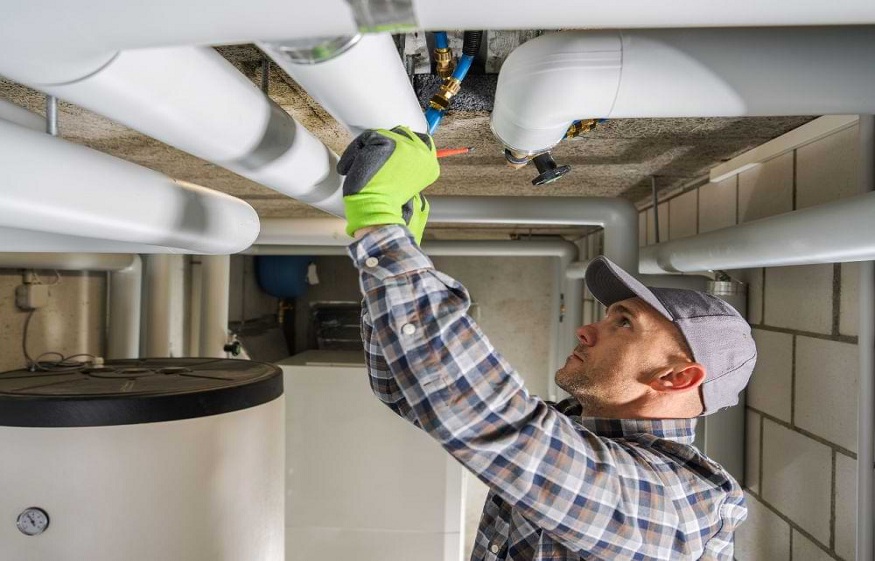
Plumbing Inspection Strategies That Keep Small Issues From Growing
Every plumbing system experiences wear over time, but not every minor issue has to become a costly repair. The difference often lies in how early problems are identified and addressed. Instead of waiting for obvious signs like burst pipes or flooded rooms, homeowners who adopt proactive inspection strategies can keep their plumbing systems performing efficiently for years. Regular inspections focus on prevention rather than reaction, helping protect both the property and the household budget.
Monitor Areas That Rarely Receive Attention
Most people notice plumbing fixtures they use daily, but some of the most vulnerable parts of a plumbing system remain out of sight. Utility rooms, crawl spaces, basements, and areas beneath sinks deserve routine visual checks.
Even a small amount of moisture in these locations may indicate a loose fitting or slow leak. Identifying damp spots before water spreads helps prevent structural deterioration, mold growth, and damage to nearby materials. Consistent observation of these overlooked areas creates an early warning system that catches problems before they expand.
Pay Attention To Changes In Water Performance
A plumbing system often provides subtle clues when something begins to go wrong. Water taking longer to drain, fluctuating pressure, or unusual sounds inside pipes should never be dismissed as normal aging.
Read More: Why Choose CPVC Plumbing Pipes?
Tracking these changes over time allows homeowners to recognize patterns instead of isolated incidents. A gradual decline in performance frequently points toward developing blockages, mineral buildup, or internal pipe wear that can be corrected before complete failure occurs.
Inspect Connections Instead Of Waiting For Leaks
Many plumbing failures begin at connection points rather than within the pipes themselves. Supply lines connected to faucets, toilets, washing machines, and water heaters experience regular pressure changes that slowly loosen fittings over the years.
Checking these connections periodically for corrosion, rust, or small water droplets helps identify weaknesses while repairs remain simple. Replacing an inexpensive connector is far easier than repairing extensive water damage after a fitting suddenly fails.
Make Seasonal Plumbing Reviews Part Of Your Routine
Each season presents different challenges for residential plumbing. Temperature changes, increased water usage, and shifting soil conditions can affect pipe performance throughout the year.
Creating a seasonal inspection schedule encourages homeowners to examine outdoor faucets, irrigation systems, exposed piping, and drainage before weather conditions place additional stress on them. These regular reviews support effective Home plumbing maintenance by reducing the likelihood of seasonal plumbing emergencies.
Evaluate Drainage Speed Throughout The House
Drain performance provides valuable insight into the health of an entire plumbing system. Rather than focusing on a single slow drain, compare how sinks, bathtubs, showers, and floor drains perform throughout the home.
When several fixtures begin draining more slowly than usual, the issue may extend beyond an isolated clog. Early investigation can reveal developing sewer line restrictions or venting problems before wastewater backups occur.
Read More: Preventing Clogged Drains
Monitoring drainage across multiple fixtures creates a broader understanding of overall system health.
Watch For Unusual Utility Bill Increases
One overlooked inspection strategy involves reviewing monthly water usage instead of relying solely on visible plumbing symptoms. A noticeable increase in water bills without changes in household habits often suggests hidden water loss.
Leaks inside walls, underground supply lines, or continuously running toilets may waste thousands of gallons annually while remaining completely unnoticed. Comparing utility statements each month allows homeowners to detect problems that visual inspections alone might miss.
Test Plumbing Fixtures Before They Fail
Many fixtures gradually lose efficiency long before they stop working entirely. Valves may become stiff, faucets may drip slightly, and toilets may refill more slowly over time.
Testing these components regularly allows homeowners to identify declining performance early. Replacing worn internal parts extends fixture life while preventing sudden failures that interrupt daily routines.
Routine testing also provides confidence that every plumbing component operates as intended.
Build A Preventive Maintenance Mindset
Successful plumbing care is built on consistency rather than emergency response. Waiting until water appears where it should not almost always results in higher repair costs and greater inconvenience.
Developing a habit of scheduled inspections encourages faster problem detection and more affordable solutions. Professional evaluations combined with regular homeowner observations create a strong defense against unexpected plumbing failures.
Conclusion
Small plumbing problems rarely remain small when they go unnoticed. Careful inspections, seasonal evaluations, performance monitoring, and regular home plumbing maintenance help uncover developing issues before they require major repairs. By adopting preventive inspection strategies, homeowners protect their property, reduce long-term maintenance expenses, and enjoy a plumbing system that continues operating reliably year after year.
Leave a Reply
You must be logged in to post a comment.